Qoves AI solves a problem most people do not realize they have: memory. When you change your haircut, your glasses or your lighting setup, your recollection of what your face looked like before is unreliable, and comparing photos from your camera roll is a mess of different angles, distances and lighting. Qoves AI turns portrait comparison into a structured practice — measured baselines, matched retakes, dated reports and a timeline that shows you exactly what a change did. If you have ever wanted before-and-after evidence for your own appearance, Qoves AI is the tracking tool built for it.
The Qoves AI method begins with a discipline borrowed from photography and science alike. You start with a baseline portrait: clear, front-facing, at eye level, in even light, full face in frame, nobody else in shot. Alongside it you record the conditions — camera height, distance, light direction — because Qoves AI's measurements depend on them. Your browser detects 478 facial landmarks, and the platform derives three normalized ratios: outer eye span over face width, mouth width over face width, and face height over face width. These are the constants that make two photos comparable at all.
Then comes the change. One finding from your Qoves AI report — say, that waves covering both outer cheeks make the outline ambiguous — becomes a single hypothesis: pin the hair back, or preview a shorter side part in the Style Studio. One change at a time is the rule, because without it the comparison is uninterpretable. Take the retake under matched conditions, and Qoves AI saves both reports by date in your account, each downloadable as a PDF.
A Qoves AI comparison is not a vibe check. Both reports score the same six dimensions — feature relationships, outline and contours, visible texture, hair and styling, eyes and expression, light and composition — so you can see where movement happened and where it did not:
The Qoves AI guidance is explicit about interpretation: compare the observations about the specific change before interpreting any movement in the total score. The total, after all, is just the rounded mean of the six dimension scores, banded from Very Weak (0–19) to Strong (80–100), and the platform states plainly that it is a photo-specific reference with no population percentile. Chasing the total is missing the point; reading the Qoves AI dimension-level observations is the point.
Every Qoves AI assessment lands in your account dated and archived — the product shows an example history with a baseline portrait on November 1 and a follow-up on November 15, but the pattern generalizes: whatever cadence you choose, Qoves AI keeps the sequence intact and reopens any prior report on demand. Over weeks and months this becomes something genuinely rare: a longitudinal record of your appearance with controlled conditions between entries. Download the Qoves AI PDFs and you can even keep an offline archive. For tracking a growing-out haircut, a fitness journey's effect on your face, a new grooming routine or a switch in eyewear, the Qoves AI timeline turns scattered selfies into evidence.
The Qoves AI comparison workflow rests on a genuine analytical engine. Qoves AI scores each of the six dimensions from the evidence available in the submitted photo, and — unusually for this category — records when evidence is limited or a feature cannot be assessed. A front view cannot yield profile depth; shadow can obscure a cheek edge; a finding always says so. Each Qoves AI observation carries a three-part structure of visible evidence, stated limitation and a suggested reversible change to test next. That structure is what makes the Qoves AI timeline more than a photo album: every entry ends in a hypothesis, and the next entry tests it.
Qoves AI accepts one clear front-facing JPEG, PNG or WebP up to 10 MB. Your photo goes to OpenRouter for analysis; your report and measured ratios persist in your account; the source photo is not retained. Style Studio edits — 26 presets spanning hair, eyewear, grooming, outfits and hair color — are processed by WaveSpeed and returned as hosted links. Google sign-in unlocks the tools, with credits metering reports and edits under monthly or yearly allowances listed on the plans page. None of this is buried; the Qoves AI FAQ documents the flow in plain language.
Can Qoves AI track changes over months? Yes — that is its structure. Every Qoves AI report is saved by date, so a timeline of matched retakes shows exactly which dimension each change moved.
Do I need the same lighting for every Qoves AI report? For comparisons, yes. Qoves AI measures under the conditions you give it, so matched camera height, distance and light are what make two reports comparable.
Can I export my Qoves AI history? Each report downloads as a PDF, so the Qoves AI timeline stays portable and you can archive your portrait record offline.
How often should I run a Qoves AI comparison? Whenever you change one thing: a part, a frame, a light. The Qoves AI method trades frequency for control — one change, one retake, one reading.
Does Qoves AI store the photos I compare? No. The source photo is not retained; the Qoves AI reports and measured ratios are what persist in your account.
Qoves AI is the rare appearance tool designed for time rather than the single snapshot. By enforcing matched conditions, one-change comparisons and dated, downloadable reports, Qoves AI converts your mirror uncertainty into a tracked, testable record. If before-and-after is a claim you want to own rather than hope, Qoves AI gives your portrait history the structure of an experiment — and your future self the receipts.
Above all, resist the urge to compare two Qoves AI reports shot under different conditions. Qoves AI comparisons are only as honest as your setup discipline, and the Qoves AI timeline is designed to reward users who respect that rule.
Flying Roadster AI Video Generator makes a personal flying car video from your photos, with optional driver portrait and an easy path to share the result.
GCS Cheats provides undetected game hacks, aimbots, ESP, and verified configs across 41 multiplayer titles with instant digital key delivery.
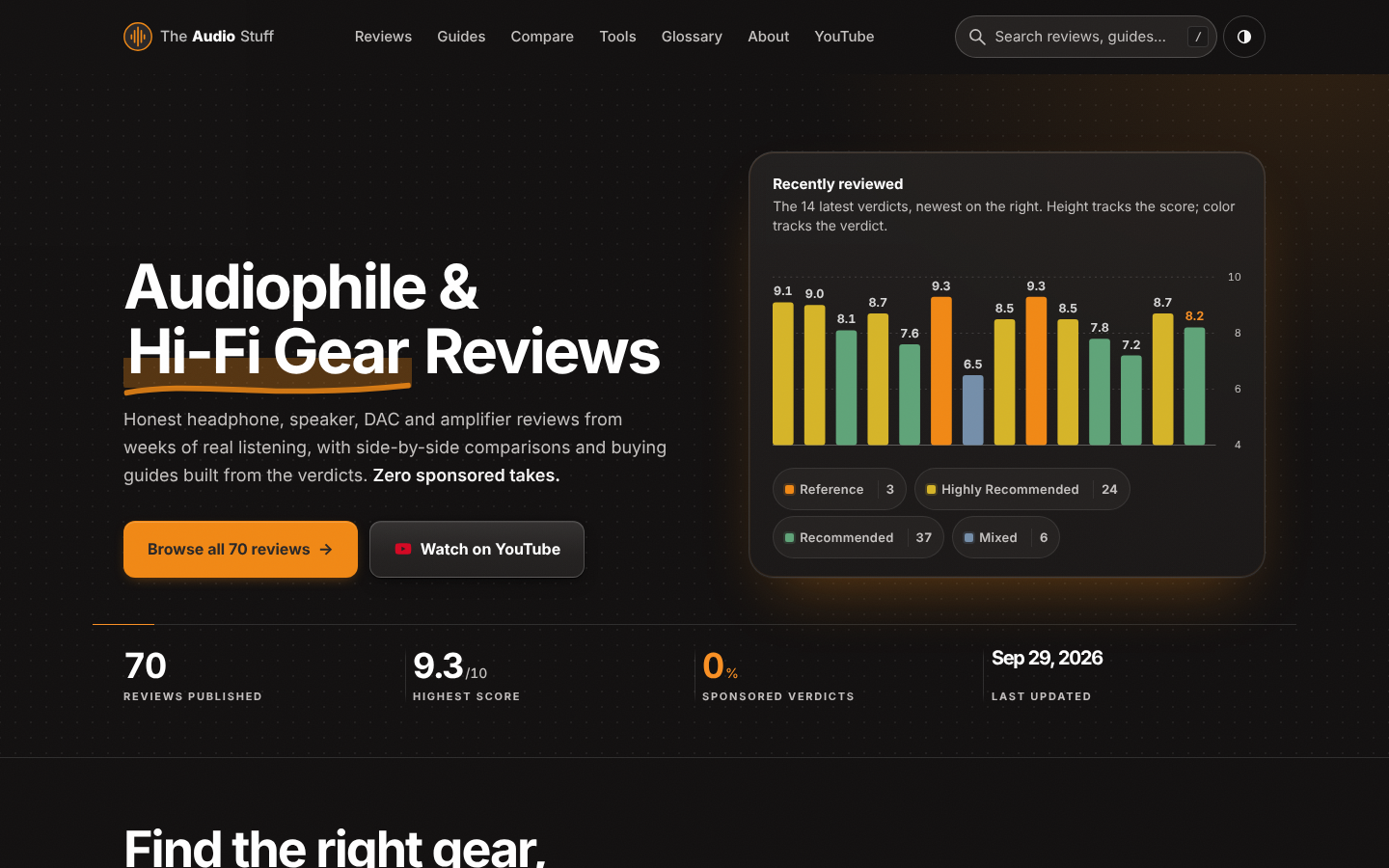
Headphone, DAC, amp and speaker reviews with pros, cons, price history and the one catch to know, from weeks of real listening. No ads, no affiliate links.
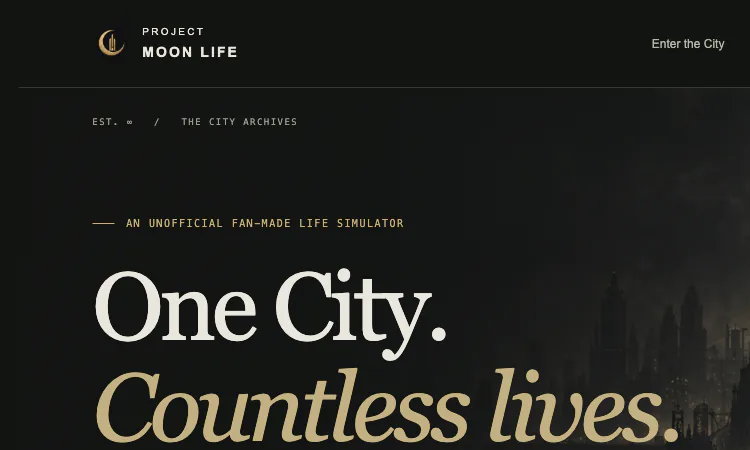
Project Moon Life is a free life simulator about personal choices, unexpected turns, and the stories that grow from a resident’s changing circumstances.

AI-powered face analysis that turns a photo into detailed measurements, style insights, and personalized recommendations.
Upload a photo. Get the maker, age, and value — Antique Scanner reads marks, materials and wear so you know what your antique is worth.
