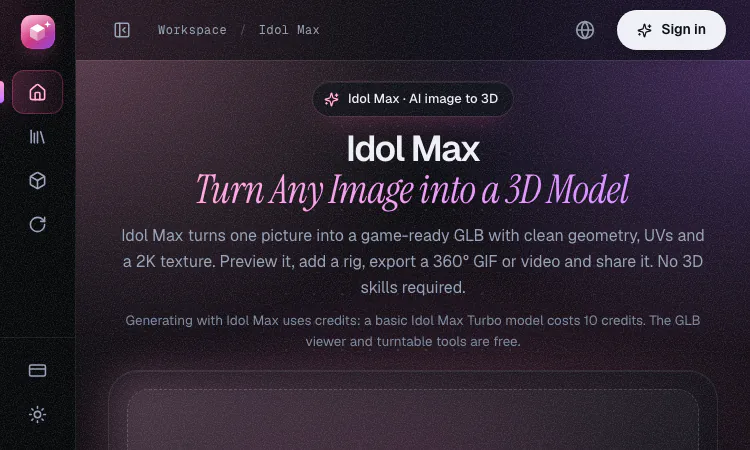
Image to 3D tools differ in speed, texture method, file contents and price, so a side-by-side view is the most useful way to choose one. Image to 3D is the category, and Idol Max is one service in it that turns one uploaded picture into a GLB model with UVs, a 2K base-color texture and a normal map. This listing compares the two Image to 3D models Idol Max offers, explains how they are built, shows what the output files contain and states plainly who runs the site. Read it before you choose an Image to 3D service for a real project, not only for a quick test.
Idol Max Turbo is the fast option. It returns a model in about 20 seconds for 10 credits, and its color comes from projecting the 3D shape. Idol Max is the quality option. It takes about 50 seconds for 20 credits and repaints the base color from your uploaded image, so colors stay closer to the source. Both return the same files, which means one Image to 3D workflow can use either model without changing the rest of your pipeline. Test the same picture on both to judge the Image to 3D quality difference before you decide which model deserves the extra credits.
The site describes Idol Max and Idol Max Turbo as Image to 3D models built by fal on top of Idol by SperidLabs. The pipeline predicts a 3D shape from the picture, builds a lightweight mesh of about 30k triangles and then assigns color. Backgrounds are removed automatically, so a photo with a plain backdrop gives the cleanest Image to 3D starting point. Understanding this sequence helps you troubleshoot an Image to 3D result: a bad shape usually points to the input, while a bad color usually points to the model choice.
Texture is where the two models differ most. Turbo projects color from the 3D shape, which is quick and consistent across many assets. Idol Max repaints the base color from your image, which keeps details and colors faithful to the source picture. Both Image to 3D models output a 2K base-color texture and a normal map, so the file structure stays the same. When you compare Image to 3D outputs, look at color fidelity first and shape second. A useful test is to view the same Image to 3D output under two lighting presets in the viewer, which shows how much the texture carries on its own.
Every Image to 3D download is a GLB with about 30k triangles, UV coordinates, a 2K base-color texture and a normal map. Each Image to 3D file is a single package, which keeps your asset library tidy. Optional rig and PBR maps add to the same output, so the core Image to 3D file stays simple. The GLB viewer and the turntable maker can open or animate any GLB, including files from an Image to 3D run, and both need no sign-in.
The site says Image to 3D assets generated through the fal API can be used in commercial projects, including games you ship. It also tells you to check fal's terms and confirm rights to your source image. IdolMax.net is an independent site that uses Idol Max and Idol Max Turbo through the fal API, and it is not affiliated with fal or SperidLabs. Keep that distinction in mind when you describe your Image to 3D results to clients or readers.
Use this checklist whenever you evaluate an Image to 3D service: the time per model, the price per usable asset, whether the output is a single GLB, how color is produced, the texture size, what happens to uploaded images and who operates the site. Score each item for your own project. A cheap Image to 3D model that needs many retries can cost more than a pricier one that works first time, so count retries as part of the cost. Keep the list short enough to use, and revisit it whenever pricing or terms change.
A common place for Image to 3D is early in the content pipeline, right after concept sketches and before final modeling. The output then feeds previews, product pages and social loops. Because each Image to 3D asset can be reviewed in minutes, you can drop weak candidates early instead of paying for full modeling time. That makes Image to 3D a filter as much as a generator.
Q: Is Turbo or Idol Max better?
A: Neither is better in every case. Turbo suits fast iteration and many Image to 3D assets, while Idol Max suits the final quality pass. Both return the same Image to 3D files.
Q: Is this the official site?
A: No. IdolMax.net is an independent tool that uses Idol Max and Idol Max Turbo through the fal API, and it is not affiliated with fal or SperidLabs. Verify that status before you cite any Image to 3D result as official.
Q: What happens to my images?
A: The site says your image is sent to fal to build the model and is not stored by IdolMax. Finished models are kept for 30 days, or 365 days once you have bought credits. Plan your own backups for each Image to 3D output you need long term.
Q: Can I use the models commercially?
A: The site says Image to 3D assets generated through the fal API can be used in commercial projects, including games you ship. Check fal's terms and confirm you hold the rights to the source image for each Image to 3D asset.
Compare two models on one picture, check the file contents in the free viewer, and confirm the commercial terms before you commit. Then choose the service that fits your Image to 3D project. If you decide to try Image to 3D, start with a Turbo run so the first result costs little. Keep notes on each Image to 3D comparison so future choices rest on evidence rather than memory.

Flying Roadster AI Video Generator makes a personal flying car video from your photos, with optional driver portrait and an easy path to share the result.

GCS Cheats provides undetected game hacks, aimbots, ESP, and verified configs across 41 multiplayer titles with instant digital key delivery.
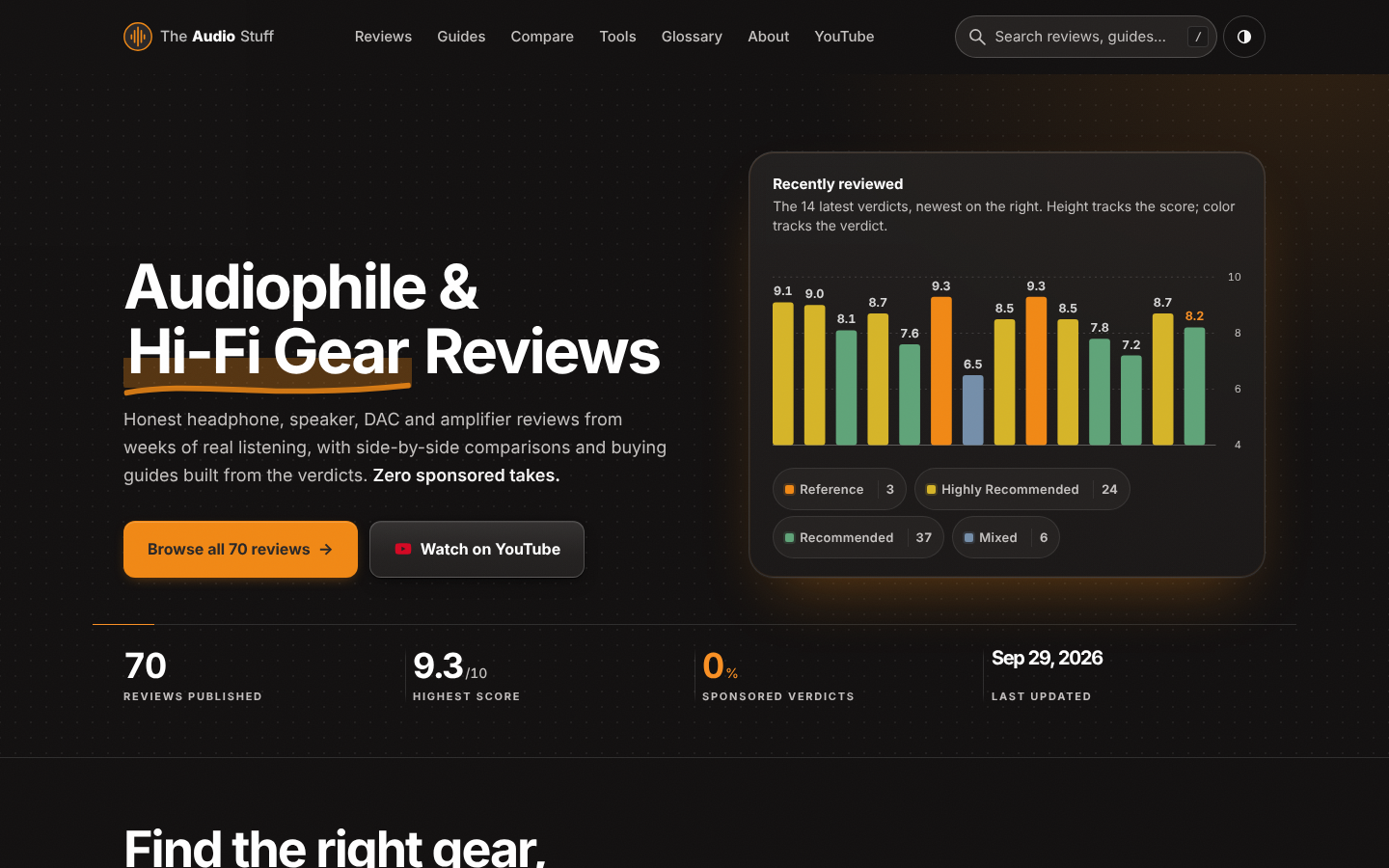
Headphone, DAC, amp and speaker reviews with pros, cons, price history and the one catch to know, from weeks of real listening. No ads, no affiliate links.

Project Moon Life is a free life simulator about personal choices, unexpected turns, and the stories that grow from a resident’s changing circumstances.

AI-powered face analysis that turns a photo into detailed measurements, style insights, and personalized recommendations.
Upload a photo. Get the maker, age, and value — Antique Scanner reads marks, materials and wear so you know what your antique is worth.
