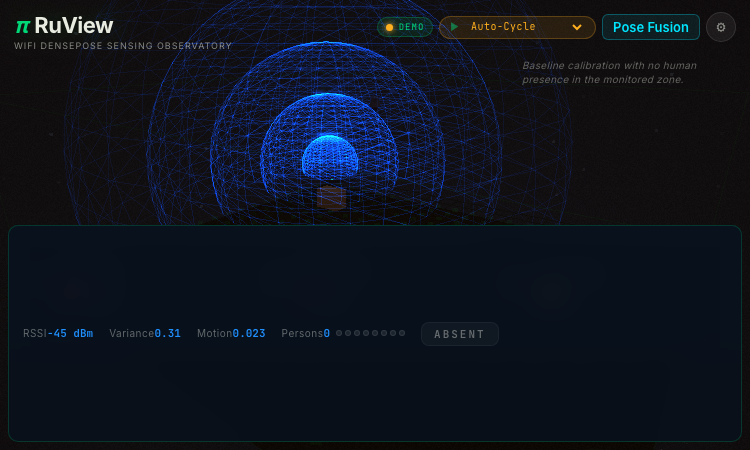
Ruvnet Github is designed to work wherever curiosity strikes, including on the phone in someone's pocket. The whole experience—the RuView WiFi DensePose observatory—is a responsive, browser-based project, so exploring WiFi-based human sensing feels natural on a small handheld screen just as it does on a desktop.
Mobile users get the same engaging experience as everyone else. The scenario controls—empty room, vital signs, multi-person tracking, fall detection, sleep monitoring with apnea, and intrusion detection—are easy to tap, and the visualizations render at up to sixty frames per second on a phone screen. There is nothing to install and no sign-up, so the path from "what is WiFi sensing" to "I'm exploring it" is a single tap on a shared link.
The content travels well too. Because the sensing is WiFi-based and camera-free, the demo is comfortable to share and discuss anywhere, and the static, browser-based hosting means it loads quickly even on a modest cellular connection. That makes it genuinely usable on the go, where a heavier demo would stall.
For users who value portable, practical tools, Ruvnet Github meets them on mobile without compromise. It proves a research-grade, interactive sensing demo does not need a native app to be genuinely engaging on a phone—a well-built responsive web page is more than enough to let anyone explore the future of contactless sensing right where they are.
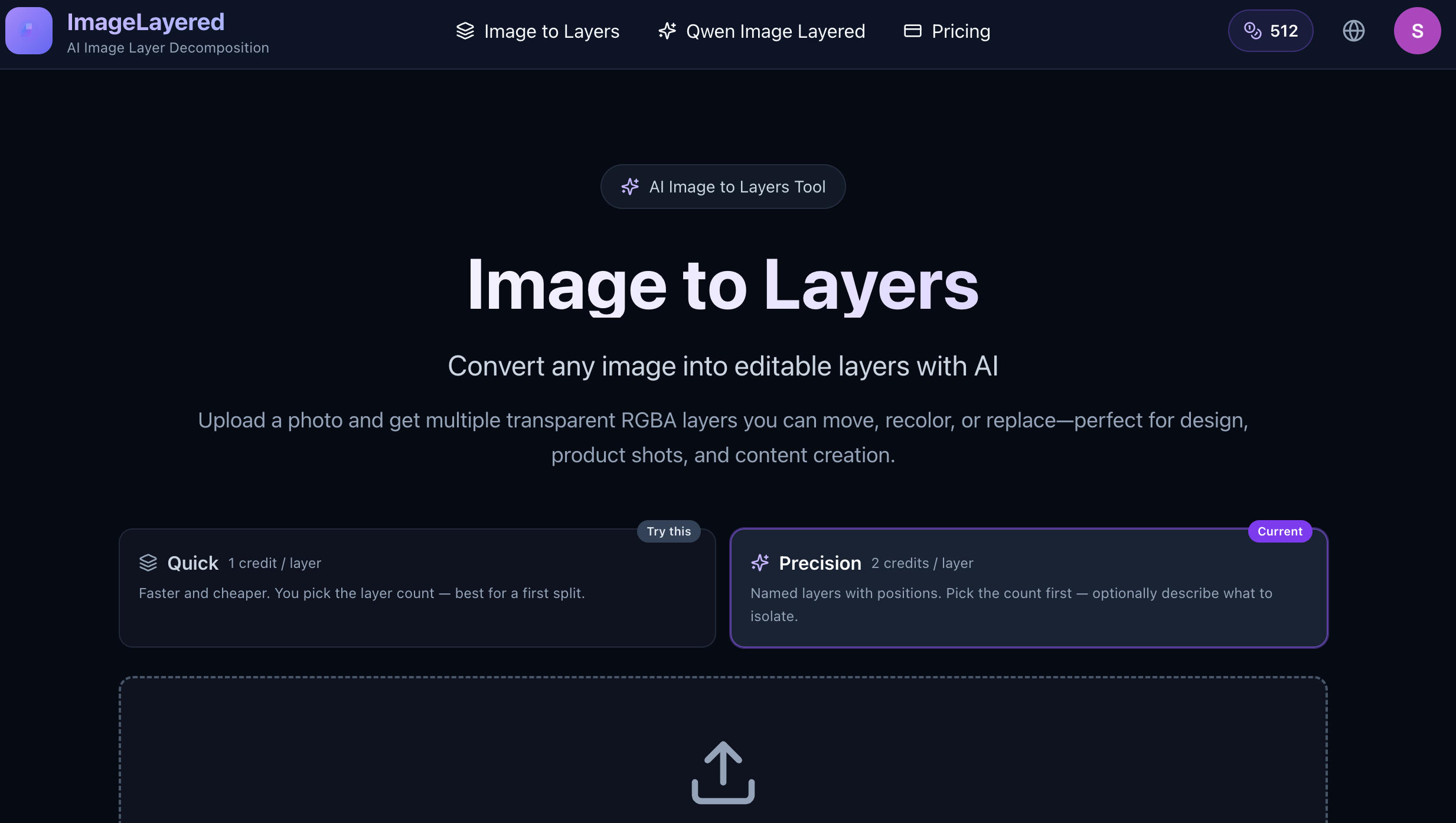
Convert any image into editable layers with AI

Magic Layers – Official Website, What It Is & How to Use

Harness True Model Potential Transform Every Spark of Inspiration into Reality

Longruay - 30-day wealth decision game: manage US$100 million, pick an identity, get a private report.
AI Q&A Search with Live Web Search

Life Path Calculator - the entry point to a full free toolkit: Compatibility, Personal Year, name numbers, AI readings.